
NEWS

Free Events Throughout Pittsburgh During RAD Days in September and October
Pittsburgh’s Regional Asset District (RAD) is offering RAD Days from September through early October, providing numerous free activities throughout the city.
Pittsburgh’s Regional Asset District (RAD) is offering RAD Days from September through early October, providing numerous free activities throughout the city.
Learn More
RAD Days, which will run from Sept. 7 through Oct. 6, provides an opportunity to see Allegheny County’s top cultural attractions free of charge.
Free events are offered nearly every day during RAD Days. Some of these include:
Science Stroll: Floria and Fungi Hike (Sept. 7)
Free Pittsburgh museum admission (various days)
Conversation with Holocaust survivor Solange Lebovitz (Sept. 12)
Pittsburgh Opera’s Rising Stars Concert (Sept. 15)
Tour of PNC Park (Sept. 17)
Pittsburgh International Jazz Festival (Sept. 22)
Contemporary Craft Community Day (Sept. 28)
Owl Prowl at Beechwood Farms Nature Reserve (Oct. 3)
More information on events can be found on the RAD Days website. To obtain a RAD Pass, sign up with your Allegheny County library card.
About RAD
One penny from every taxable dollar spent in Allegheny County goes to support the region’s quality of life.
Half of the proceeds are distributed by RAD to regional assets such as libraries, parks, arts organizations, and other area attractions. The other half is distributed directly to the county and its 128 municipalities to support tax relief and local government services.
Allegheny County Opens Four Low-Vision Tennis Courts
Allegheny County Executive Sara Innamorato recently announced the opening of the county’s first Blind and Visually Impaired (BVI) tennis courts at four local parks.
Allegheny County Executive Sara Innamorato recently announced the opening of the county’s first Blind and Visually Impaired (BVI) tennis courts at four local parks.
Learn More
The courts debuted in July at four Allegheny County parks - Boyce, North, Settlers Cabin, and South Park. The courts are designed to accommodate athletes with low vision as well as fully-sighted players and promote inclusivity in the community.
Low-vision, or “sound ball” tennis, is played on a slightly smaller court with a slower, foam sound ball that has a rattle inside of it. Players track the ball by sound and, if they have partial vision, using the vision they have.
The new courts enable athletes to walk on the court without bringing temporary tape lines each time.
Low-Vision Tennis
A recent study by Carlow University examined how blind or visually impaired athletes react to different sounds emitted by specialized tennis balls. Psychology professor Jennifer K. Roth, who led the study, is also involved with local and national tennis associations that are drawing attention to the sport and expanding access for low-vision players.
The United States Blind Tennis Association, which is based in Pittsburgh, is at the forefront of integrating blind and visually impaired tennis into mainstream sports. Since its inception, the association has conducted training and introduced programming across multiple states.
“When I talk about building a county for all, that means places people feel connected to their neighbors and communities and parks for everyone to enjoy, and this project really embodies that ethos,” Innamorato said.
Registration Open for UnConference: Beyond the Playground: Advancing Racial Equity in Play
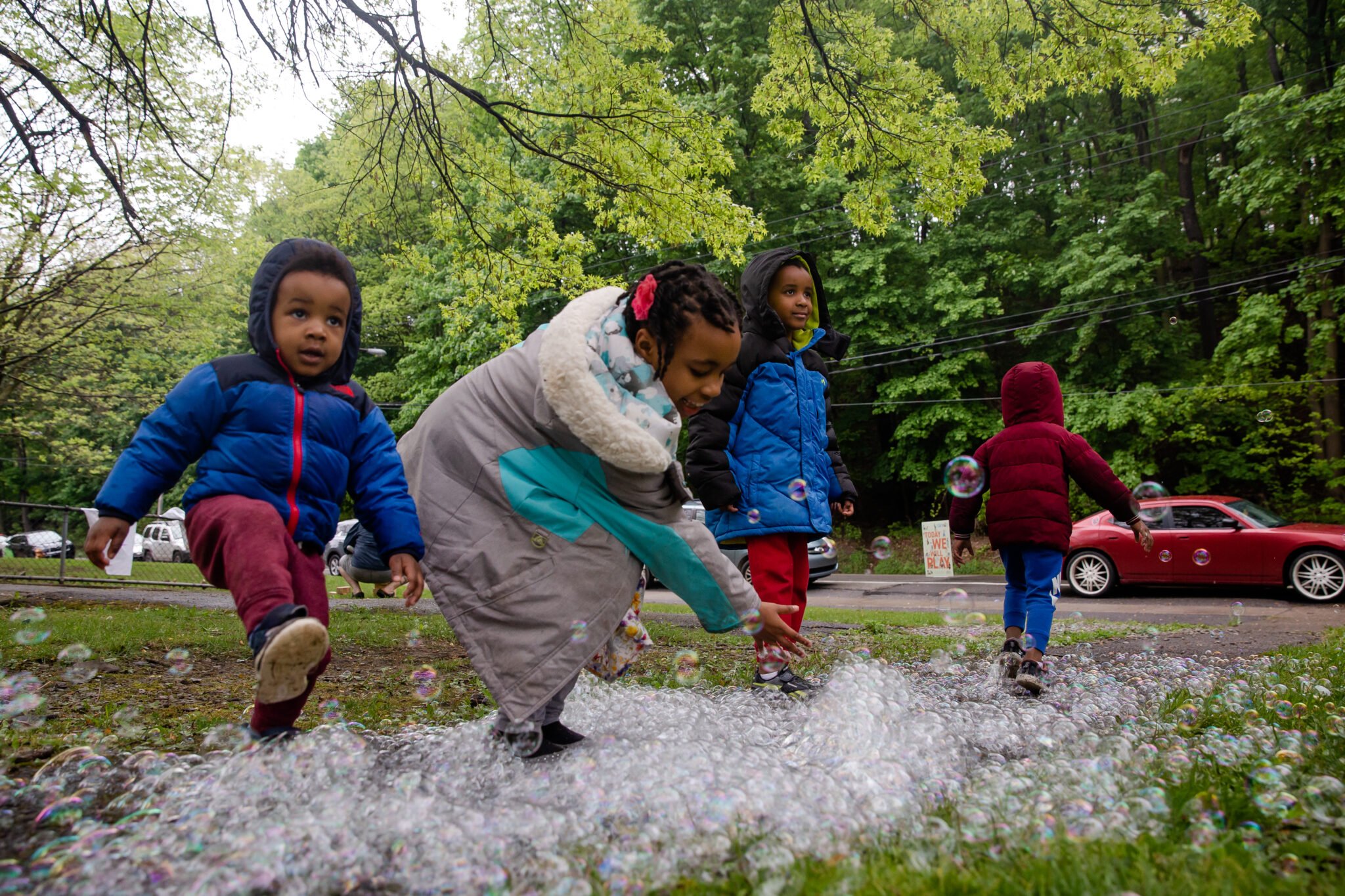
Registration is now open for UnConference: Beyond the Playground: Advancing Racial Equity in Play.
Registration is now open for UnConference: Beyond the Playground: Advancing Racial Equity in Play.
Learn More
Trying Together - in partnership with the P.R.I.D.E. (Positive Racial Identity Development in Early Education) Program, Hatch Partners in Play, and Playful Pittsburgh - will host the event on Monday, October 14 at Phipps Conservatory and Botanical Gardens from 8 a.m. to 4:30 p.m.
Participants will attend expert-led sessions that focus on the value and necessity of play; the benefits of play-based learning; how school and state policies impact children’s play experiences; play, race, identity, and the arts; and the importance of risky play activities such as climbing and balancing.
Keynote Speakers and Workshops
This year’s UnConference will include two keynote addresses. Dr. Denisha Jones will present “Play as Liberatory Early Childhood Pedagogy” in the morning. The afternoon address will be “The Healing Power of Play and Optimism” by Antony (Ant) Toombs, of the Life is Good Playmaker Project.
There will be two rounds of workshop sessions after the keynote speakers. PQAS and Act 48 credit hours will be available. Registration is required. Upon registration, attendees will be asked to select one workshop session from each timeframe.
Workshops include:
A session on the Playlab Framework that has been implemented in several public school classrooms in the region
A dialogue-based workshop inspired by the playful engagement typical of a Parent LAB PLAY DAY
A workshop exploring play equity and access in schools and communities
A session exploring the critical role of risky play in early childhood education, highlighting its significance in fostering children’s physical, emotion, and cognitive development
A session featuring P.R.I.D.E. artists as they share interactive themed art activities for early childhood-aged children
Lunch will be served and attendees will have the opportunity to network with colleagues.
More Details
Free valet parking will be available for participants. Phipps is accessible via Pittsburgh Regional Transit buses and POGOH, Pittsburgh’s bikeshare program.
Some sessions will be held outdoors, so it’s recommended that participants wear layers and comfortable footwear. Some walking is required between sessions. Participants should note needed accommodations during registration and a Trying Together representative will reach out.
Tickets for the UnConference are $25. Space is limited, so those interested in attending should register by Sept. 30.
CLP Introduces Library of Things Collection Featuring Board Games and Activities
The Carnegie Library of Pittsburgh has introduced its Library of Things, a collection of outdoor activities and board games that is available at all library locations.
The Carnegie Library of Pittsburgh has introduced its Library of Things, a collection of outdoor activities and board games that is available at all library locations.
Outdoor Activities
Library cards will give holders access to a variety of outdoor activities and games of various sizes. These include:
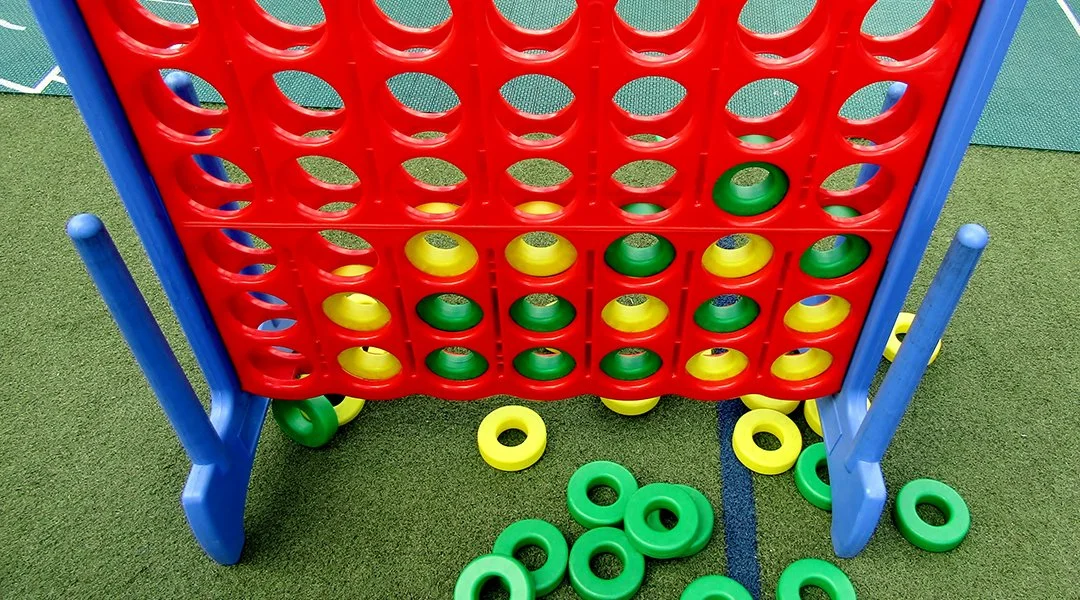
A giant Connect Four game that’s four feet tall and wide
Portable options such as tabletop curling and Bocce ball
Pickleball and Spikeball sets
A variety of other outdoor games are available at library branches.
Board Games
All Carnegie Library locations also feature board games, from role playing to epic quests that library card holders can use on a tabletop. These include:
A list of more board games available at library locations can be found online. Those interested in using the library’s outdoor activities and board games can sign up for a library card online.
Tips for Protecting Children During August’s Summer Sun Safety Month
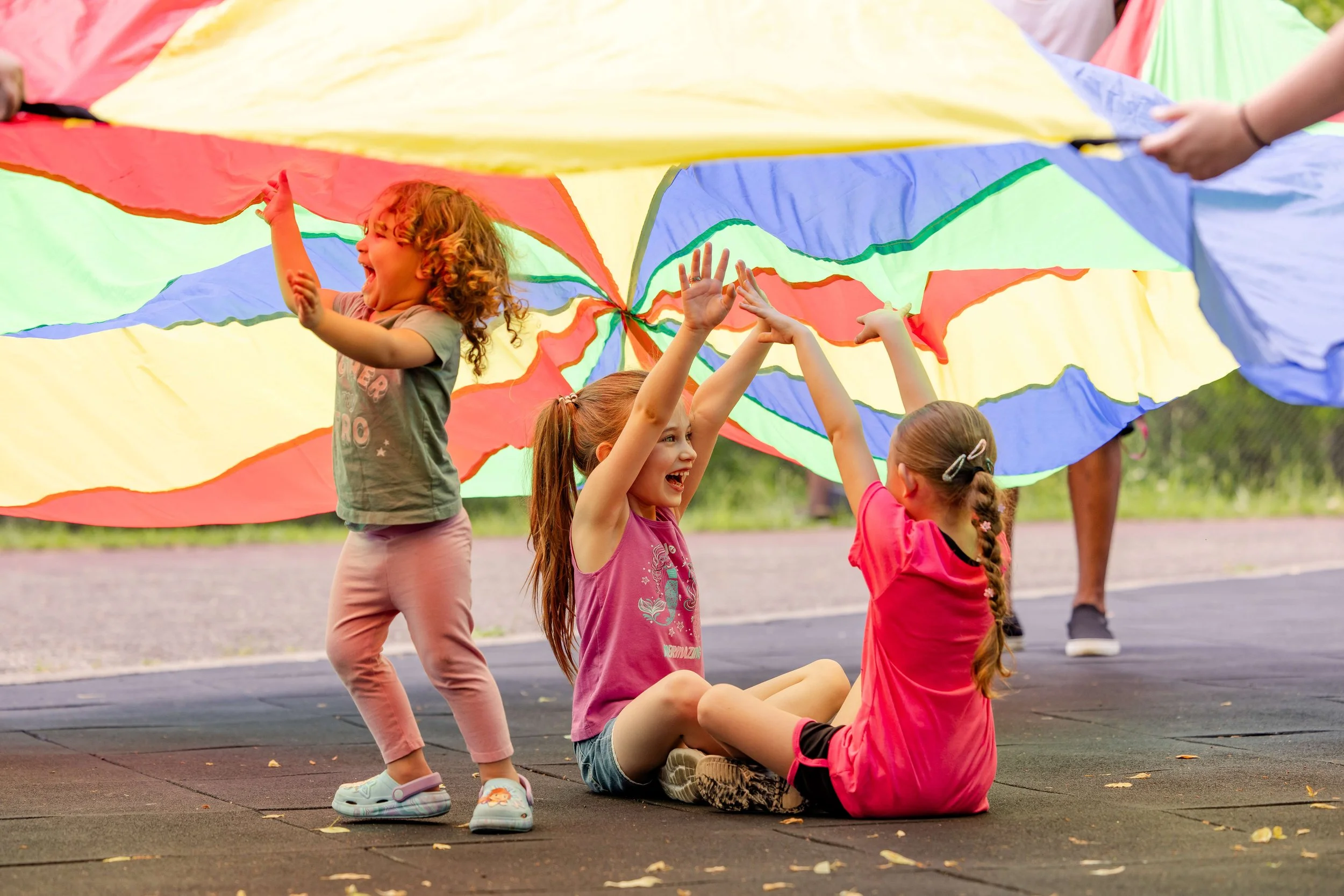
With the summer season in full swing and school being out - which means more youth outdoors - now is a good time to consider how to keep children safe while spending long periods of time in the sun.
With the summer season in full swing and school being out - which means more youth outdoors - now is a good time to consider how to keep children safe while spending long periods of time in the sun.
Learn More
August is observed as Summer Sun Safety Month. So, now is a good time to learn how to stay safe while spending time in the sun and preventing sunburn, sun poisoning, skin cancer, or other heat-related ailments.
Skin cancer is often caused by ultraviolet (UV) rays, which come from the sun, tanning beds, and ultralamps. UV rays are an invisible type of radiation that can cause damage to skin cells, according to the Centers for Disease Control and Prevention (CDC).
It is important to protect children from UV rays all year-round. The rays can reach individuals on cloudy days and can reflect off such surfaces as water, cement, sand, or snow.
There are a number of methods for keeping children safe while spending time outdoors on hot, sunny days. The CDC recommends:
Making sure they spend time in the shade, especially when engaging in activities
Encouraging the use of hats, sunglasses, and sunscreen
Not scheduling outdoor activities on days when the sun is strongest or the temperatures are especially high
Providing breaks during outdoor activities to allow children to reapply sunscreen and drink water
More Resources
Additional tips on staying safe in the sun - but also tips on water safety, bug bites, and other topics - can be found in a 2023 brochure released by Allegheny County.
Below are some resources on how to protect children and yourself during Summer Sun Safety Month - and during all months when outdoor activity is prevalent.
CDC Shares Sun Safety Tips for Schools, Trying Together
Allegheny County Shares Summer Safety Guidance, Trying Together
Summer Safety Brochure, Allegheny County Health Department, Trying Together
Be Safe in the Sun, American Cancer Society
Sun Protection, American Academy of Dermatology (AAD)
Sun Protection Tips for Those with Black and Brown Skin, Boston University
Sun Safety and Prevention, Rutgers Cancer Institute of New Jersey
City Wants Input on Baxter Park Improvement Plan
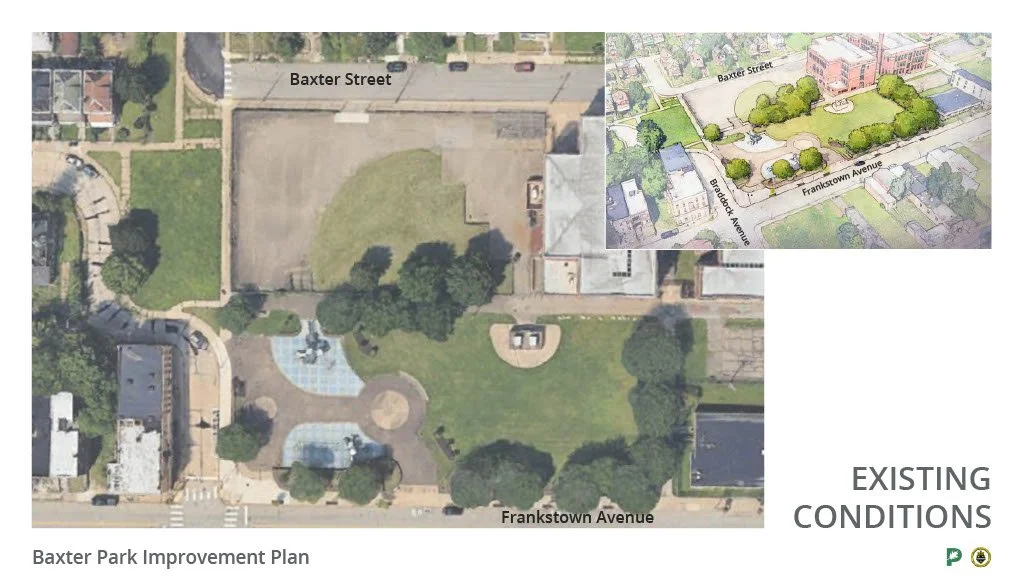
The Pittsburgh Parks Conservancy, in partnership with the City of Pittsburgh, community organizations, and other key stakeholders are developing an improvement plan for Baxter Park in Homewood.
The Pittsburgh Parks Conservancy and the city want to hear input from residents on the Baxter Park Improvement Plan. Residents are encouraged to take a survey on Engage PGH on the plan.
Learn More
The Pittsburgh Parks Conservancy, in partnership with the City of Pittsburgh, community organizations, and other key stakeholders are developing an improvement plan for Baxter Park in Homewood. The plan will aim to achieve the following goals:
Enhance Baxter Park to meet community needs
Help advance goals identified in previous community planning efforts
Activate Baxter Park
Develop a plan based on community feedback and consensus
The final improvement plan will be realistic, achievable, and provide a basis for fundraising to further develop and construct the project. Three concepts are available to view for the Baxter Park Improvement Plan on the Engage PGH website.
Visitors to the website are asked to respond to the concepts and choose a preferred plan in the survey. If certain elements of any of the plans are preferred, survey takers can make notes in the “additional thoughts” section.
Stages of the Plan
Currently, the plan is in its concept development phase, which involves developing design concepts and presenting them to the community for feedback.
Next, it will be in the preferred plan development phase, during which a singular, preferred concept is presented for more detailed community input and feedback. Last, a report will present final improvements, cost estimates, and next steps. That phase is expected to take place this fall.
For more information and to take the survey, visit the Engage PGH website.